Call us Today


Learn common scale issues, quick fixes, and when to seek professional repair services. Ensure accuracy and extend your digital scale’s lifespan with these tips!



Learn common scale issues, quick fixes, and when to seek professional repair services. Ensure accuracy and extend your digital scale’s lifespan with these tips!

Explore trade vs. non-trade scales, their uses, certifications, and compliance. Learn how to choose the right scale to ensure accuracy and legal transactions.

Discover the differences between direct thermal and thermal transfer labels, as well as paper and synthetic materials. Find the perfect labelling solution for your product with our comprehensive guide.

Understand about the thermal printers and explore the differences between wax, wax-resin, and resin ribbons to ensure durability and print quality.

Discover how vibrations can compromise the accuracy of analytical balances and learn about the benefits of using anti-vibration tables to ensure precise measurements. Explore solutions to maintain reliable results in your lab.

Intrinsically safe (I.S) weighing refers to the use of weighing equipment that is designed to operate safely in hazardous environments where there is a risk of explosion due to the presence of incendiary materials.

Barcoding is a method used by countless companies; when a barcode is scanned, it offers fast and precise information, such as details about an item's price, manufacturing location and date, and the business that produced it. A 1D barcode is an image consisting of vertical lines and spaces of varying widths; these lines and spaces encode data horizontally from left to right. Conversely, 2D barcoding is when the image is composed of dots, squares, rectangles, and hexagons. 2D barcodes store data both vertically and horizontally. They can encode information such as web addresses, text, images, and coupons in camera-readable formats.
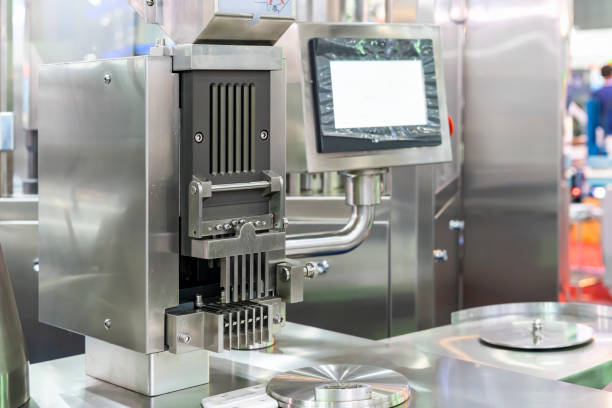
Industries worldwide rely on industrial touch screen terminals to streamline daily operations efficiently. These devices are cleverly engineered to function optimally during the most demanding of environments, providing reliable display solutions. Industrial touch screen terminals are known for their cost-effectiveness and efficiency, tailored for rugged production settings using high-quality industrial components.

The Able Scalemate Touch Screen Carton Labeller is a premium carton labelling device that’s ideal for meat and meat-based products. In the meat exportation trade, labellers are instrumental in conveying vital information, and the quality of the carton labeller can make or break your business.
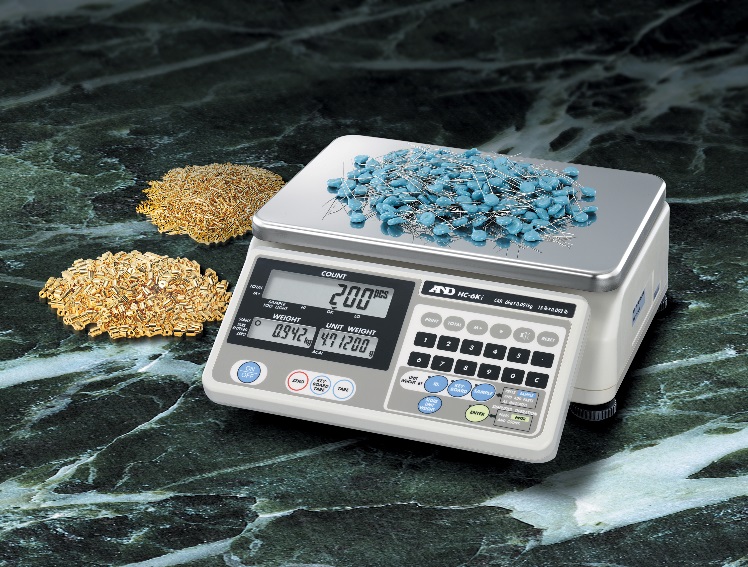
Counting scales play an integral part across a vast number sectors. In almost every industry, the necessity for small parts is resounding. These tiny components play crucial roles in the production of plastic products, electronic devices, automotive parts, and even in less expected sectors like food processing and pharmaceuticals.