


 Call us Today

Laboratory Balances
Shopping by
-
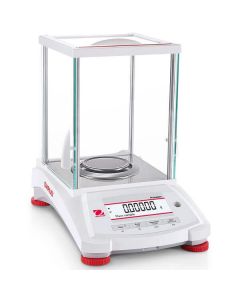 Semi-Micro Balance - Ohaus Pioneer Semi MicroA semi-micro balance designed for high accuracy.
 -
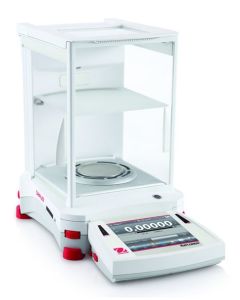 Analytical Balance - Ohaus Explorer Semi MicroA balance for when extreme accuracy is required to 0.01mg
 -
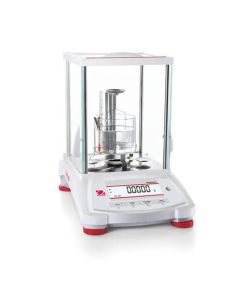 Economical Analytical Balance - Ohaus Pioneer PXA analytical balance designed for your everday weighing needs, at an...
 -
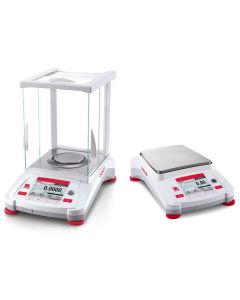 Touch screen Analytical Balance - Ohaus Adventurer AXAn analytical balance with colour touch screen up to 320g.
 -
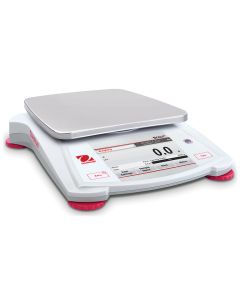 Touch Screen Compact Balance - Ohaus Scout STX TouchA touchscreen compact balance, designed for ease of use.From $750.00
 -
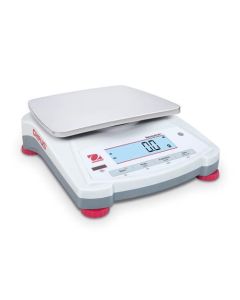 Multi Purpose Compact Balance - Ohaus Navigator SeriesAn economical range of portable balances from 120g to 22000g.
 -
-
-
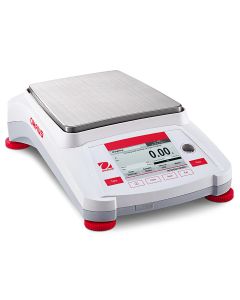 Touch Screen Precision Balance - Ohaus Adventurer AXA trade approved precision balance, with colour touch screen up to 8200g.
 -
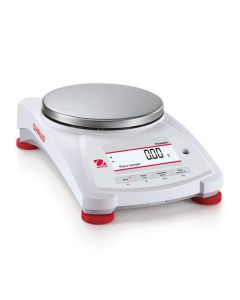 Precision Balance - Ohaus Pioneer PrecisionA versatile precision balance for basic weighing up to 8200g and readability...
 -
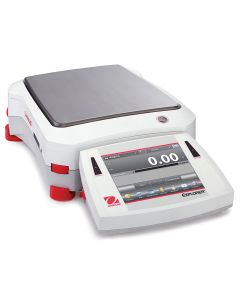 Professional Precision Balance - Ohaus Explorer Precision EXAn easy to use balance with all the features of a high end laboratory balance.
 -
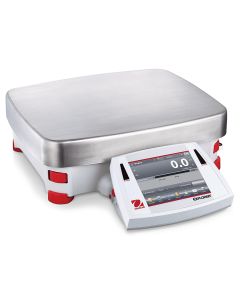 High Capacity Balance - Ohaus Explorer PrecisionA range of large capacity balances up to 35000g x 0.1g.
 -
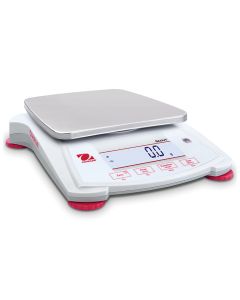 Compact Balance - Ohaus Scout SPX GeneralA good quality compact balance to suit general laboratory and industrial...From $508.00
 -
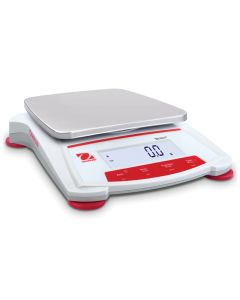 Compact Balance - Ohaus Scout SKX EducationA compact balance designed for the classroom and educational applications.
 -
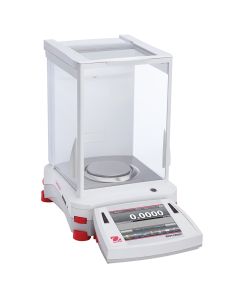 Analytical Balance - Ohaus Explorer EX AnalyticalA high performance 0.1mg balance with easy to use features.
 -
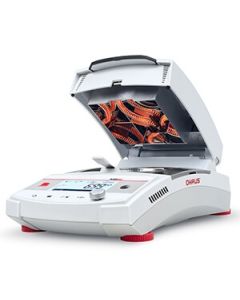
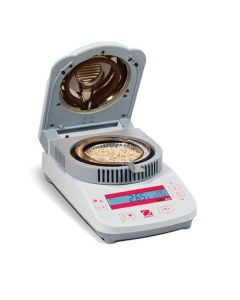 Moisture Analyzers - Ohaus MB23Designed to quickly, effectively and affordably measure moisture content.
 -
-
-
-
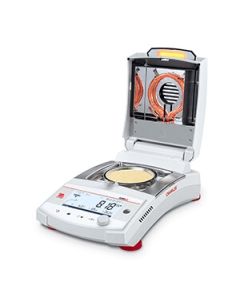 Professional Moisture Analyzers - Ohaus MB62A felxible moisture balance for a variety of applications.


